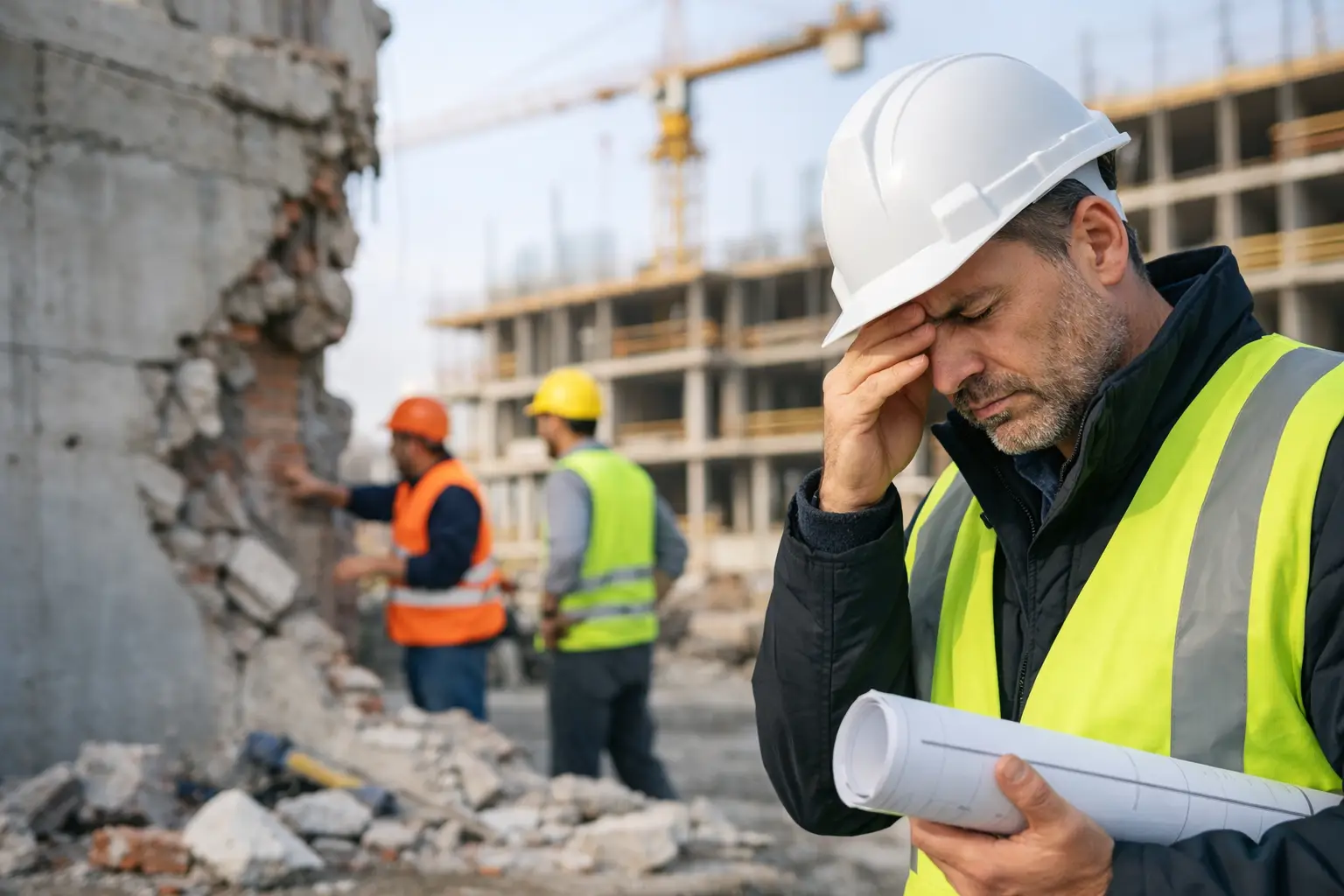
A project can look on schedule right up to the moment failed inspections, rework, or material issues start slowing everything down. By then, the cost is no longer just technical. It affects approvals, handover dates, contractor coordination, and the owner’s budget. That is why quality control is not a paperwork exercise in construction. It is a delivery function.
What is quality control in construction?
Quality control in construction is the process of checking that materials, workmanship, installations, and completed work meet the project requirements. Those requirements usually come from drawings, specifications, codes, approved submittals, method statements, and authority standards.
In practical terms, quality control means verifying that what is being built matches what was designed and approved. It happens before work starts, while work is in progress, and again before work is accepted. The goal is straightforward – prevent defects, catch nonconformities early, and keep the project aligned with safety, compliance, and performance expectations.
For owners and developers, this matters because poor quality rarely stays isolated. A wall built out of tolerance can affect finishes. An incorrectly installed MEP component can trigger testing failures. A missing approval reference can hold up inspections. Small quality gaps often create larger schedule and cost problems.
Why quality control matters beyond workmanship
Many clients associate quality control with finish quality only – whether paint lines are straight or tiles are level. That is part of it, but construction quality control is much broader.
It protects budget by reducing rework. Rework is one of the most expensive forms of waste on a project because it consumes labor twice, delays following trades, and can require replacement materials. It also protects schedule, since failed inspections or rejected work can interrupt the sequencing of multiple packages.
Quality control also supports compliance. In regulated construction environments, quality is tied to approvals, testing records, fire and life safety requirements, and final authority acceptance. A project may be physically complete but still not ready for handover if documentation, installation quality, or test results do not align with approved standards.
For decision-makers, the value is control. Good quality control makes project status more reliable. It gives owners a clearer picture of whether the work is actually progressing in an acceptable way, not just whether invoices are being submitted.
Quality control vs. quality assurance
These terms are often used together, and they are related, but they are not the same.
Quality assurance is the system behind the work. It includes the procedures, standards, approval workflows, training, and documentation that are meant to prevent errors from happening in the first place.
Quality control is the inspection and verification side. It is the act of checking the work, identifying issues, and confirming corrections. If quality assurance sets the rules, quality control tests whether those rules are being followed on the ground.
A project needs both. Strong procedures without actual site checks create false confidence. Frequent inspections without a clear system often produce repeated issues because root causes are not being addressed.
How quality control works on a construction project
The exact process varies by project type, but effective quality control usually follows the actual construction sequence rather than operating as a separate layer.
Before construction starts
Quality control begins with document review. The team checks drawings, specifications, approved materials, technical submittals, and inspection requirements before site activity moves forward. This stage matters more than many clients realize. If there is inconsistency between architectural, civil, and MEP documents, quality issues are likely to show up later as field conflicts.
Mock-ups, material approvals, and method statement reviews also support quality at this stage. They establish what acceptable work looks like before labor and materials are committed at scale.
During execution
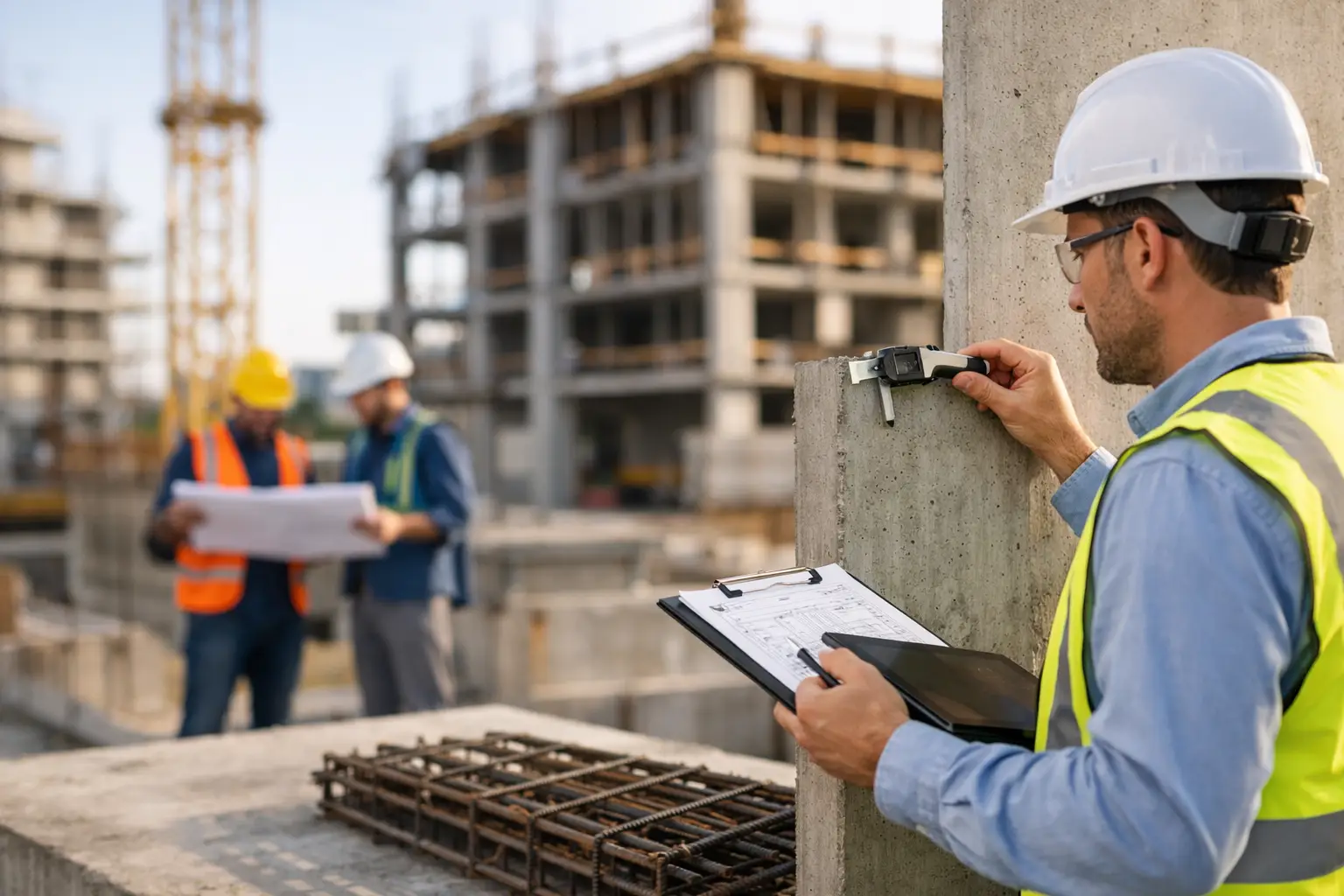
This is the most visible part of construction quality control. Site teams inspect works in progress, verify dimensions and levels, confirm correct materials are being used, and check installations against approved drawings.
Inspections may happen at hold points, before concealed work is covered, during testing, and at completion of defined work packages. For example, reinforcement placement is checked before concrete is poured. MEP rough-ins are checked before ceilings are closed. Fire stopping is verified before final finishes make access difficult.
The timing matters. Quality control is most effective when issues are caught before they become expensive to fix.
After installation and before handover
Final inspections, testing and commissioning records, punch lists, and closeout documentation all form part of quality control. This stage confirms that the installed work performs as intended and is ready for owner use, authority review, or formal handover.
At this point, quality is not only about whether systems work. It is also about whether the project can be accepted without qualification or delay.
What quality control covers on-site
Construction quality control typically includes material checks, workmanship inspections, dimensional verification, testing, and documentation review. Depending on the project, it may cover structural works, interior finishes, HVAC, electrical systems, plumbing, fire protection, and specialty installations.
It also includes checking whether subcontractors are following approved shop drawings and whether work is coordinated across trades. That coordination point is critical. A technically correct installation can still become a quality issue if it clashes with another system or blocks maintenance access.
This is why multidisciplinary oversight tends to improve quality outcomes. When architecture, civil, and MEP reviews are aligned, the project team can identify issues that isolated trade inspections might miss.
Common quality control problems in construction
Most quality failures are not caused by one dramatic mistake. They usually come from repeated breakdowns in coordination, supervision, or verification.
One common issue is proceeding with work before approvals are fully in place. Another is using materials that differ from approved submittals because of procurement substitutions or site-level decisions. In other cases, the drawings may be approved, but the workforce is not executing to the required tolerances or sequence.
Documentation gaps are another frequent problem. A contractor may complete work physically, but if inspections, test reports, or as-built updates are missing, the project still faces risk. For commercial and regulated developments, poor documentation can become just as disruptive as poor workmanship.
There is also a trade-off between speed and control. Fast-track delivery can compress review windows and overlap activities, which helps schedule if managed well. But if coordination and inspection do not keep pace, defects tend to multiply. The answer is not to slow every project down. It is to apply tighter controls where the risk of rework or approval failure is highest.
Who is responsible for quality control?
Responsibility is shared, but accountability must be clear.
Contractors usually carry primary responsibility for executing the work correctly and performing routine inspections. Subcontractors are responsible for their trade-specific quality. Consultants, project managers, and supervision teams review, verify, and document compliance with design intent, project standards, and approval conditions.
For owners, this distinction matters. A project can have multiple parties involved, but without a coordinated quality framework, issues can fall between scopes. One team assumes another is checking, and defects stay hidden until late in the process.
That is one reason many clients prefer a coordinated consultancy structure rather than fragmented design and supervision inputs. When technical disciplines and execution oversight are aligned, quality control tends to be faster, more consistent, and easier to track.
What good quality control looks like from an owner’s perspective
From an owner’s side, strong quality control should be visible in the project’s rhythm. Approvals are organized. Site observations are documented. Nonconformities are identified early, assigned clearly, and closed out promptly. Testing records are available when needed. The team can explain not only what is complete, but whether it meets the required standard.
Good quality control should also reduce surprises. That does not mean no issues will ever arise. Construction always carries variables. But it does mean issues are usually identified early enough to manage without major disruption.
For projects with authority-facing approvals, quality control becomes even more valuable when it is integrated with compliance thinking from the start. Firms such as Desentral Engineering Qatar often see this firsthand on projects where design coordination, permit requirements, and site execution must stay aligned to avoid delays later in the approval cycle.
Why quality control is a business decision, not just a site task
When owners ask what is quality control in construction, the best answer is not simply inspection. It is control over outcomes. It protects build quality, yes, but it also protects approvals, opening dates, operational readiness, and financial predictability.
The earlier quality is treated as a management priority, the less likely the project is to absorb preventable cost and delay. On any serious development, that is not extra administration. It is part of delivering a project that can be approved, handed over, and used with confidence.
If a project team wants fewer surprises at the end, quality control has to start long before the end is in sight.