A set of approved drawings does not guarantee a compliant building. Many project delays and cost overruns happen after permits are secured, when site work starts to drift from the design, trades clash, or approvals are not followed correctly in execution. That is where construction supervision becomes critical.
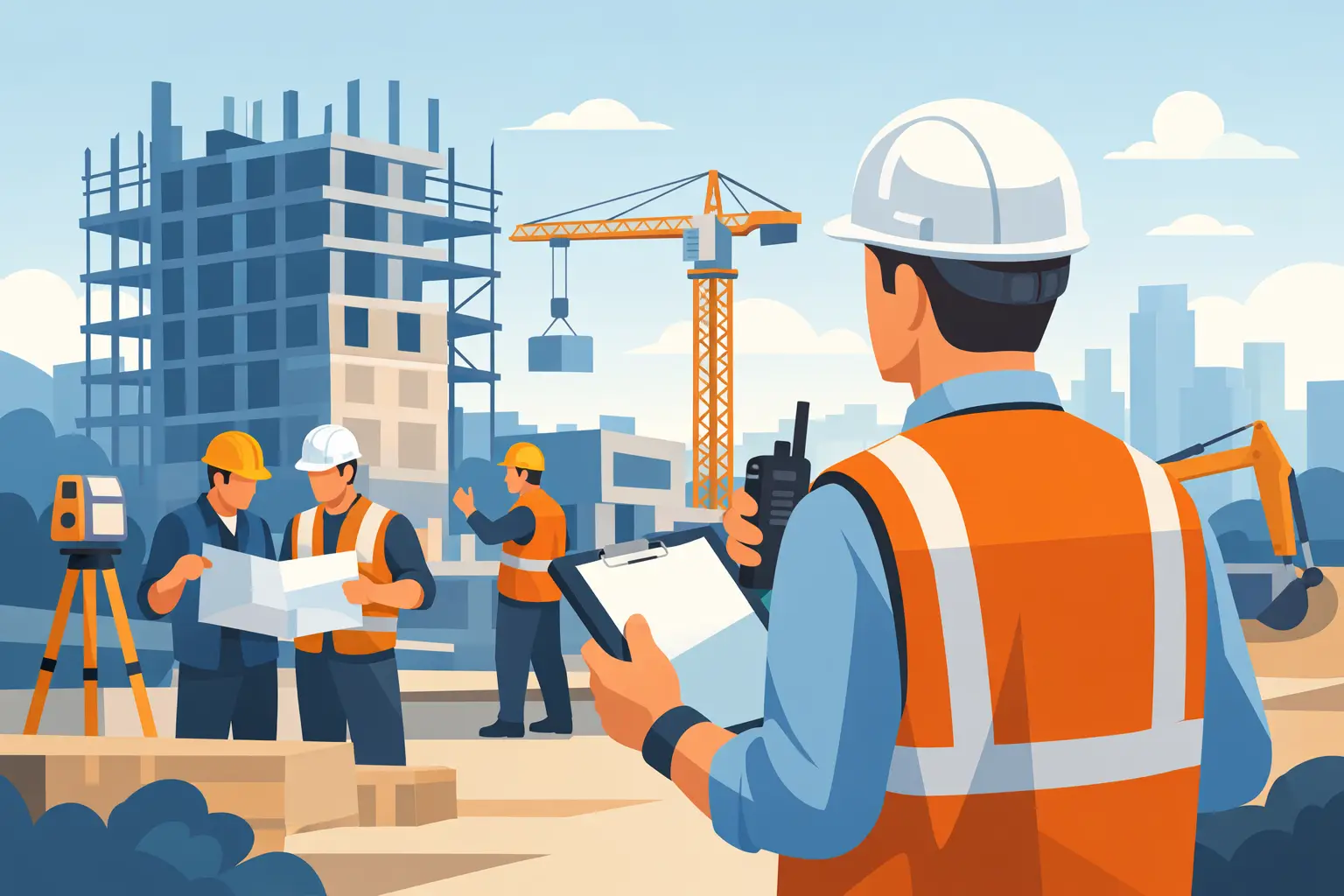
Construction supervision is the professional oversight of work on site to make sure the project is built according to approved drawings, technical specifications, contract requirements, applicable codes, and authority conditions. It sits between design intent and physical execution. In practical terms, it is the process of checking that what is being built is what was designed, what was approved, and what can be handed over safely and correctly.
For owners, developers, and commercial operators, the value is straightforward. Construction supervision reduces execution risk. It helps protect budget, timeline, quality, and compliance at the stage where mistakes become expensive.
What Is Construction Supervision in Practice?
When clients ask what is construction supervision, they are usually trying to understand whether it is just site inspection. It is not. Inspection is part of the role, but supervision is broader and more accountable.
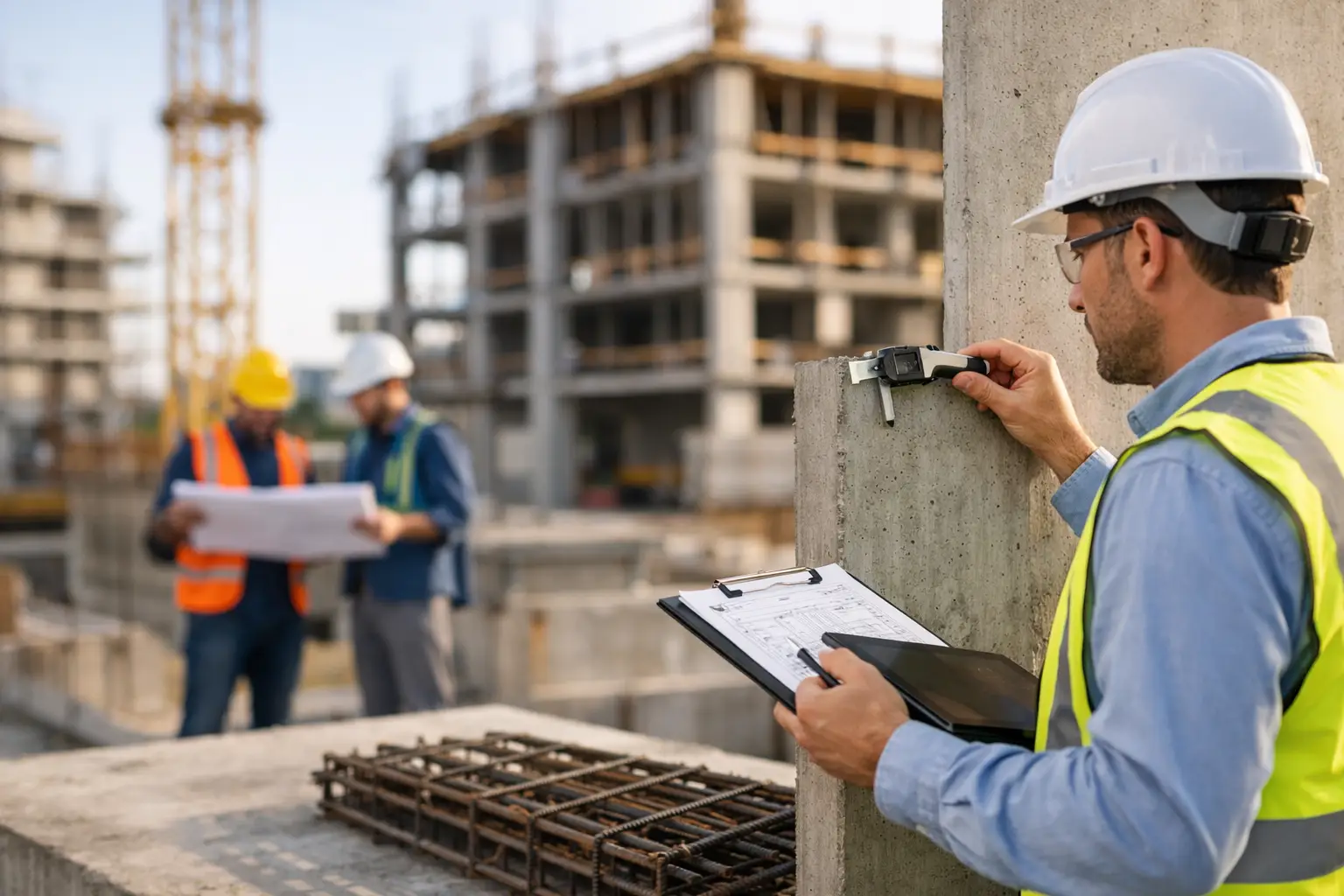
Construction supervision includes reviewing contractor progress, verifying that materials and workmanship meet the specified standard, identifying deviations from drawings, documenting non-conformities, coordinating technical clarifications, and monitoring whether authority-related requirements are being respected during execution. It also involves reporting to the client, attending site meetings, reviewing shop drawings and method statements when required, and tracking whether corrective actions are completed.
The exact scope depends on the project, the contract structure, and the consultant’s appointment. On some projects, supervision is periodic and focused on key milestones. On others, it is continuous and closely integrated with project management and authority coordination. The right level of supervision depends on complexity, risk exposure, and compliance demands.
Why It Matters More Than Many Clients Expect
The main issue is simple: construction errors multiply quickly once work is underway. A small mismatch in drawings can affect civil works, MEP routing, ceiling coordination, fire safety clearances, and authority sign-off. If no one is tracking those interfaces carefully, the project starts absorbing avoidable cost.
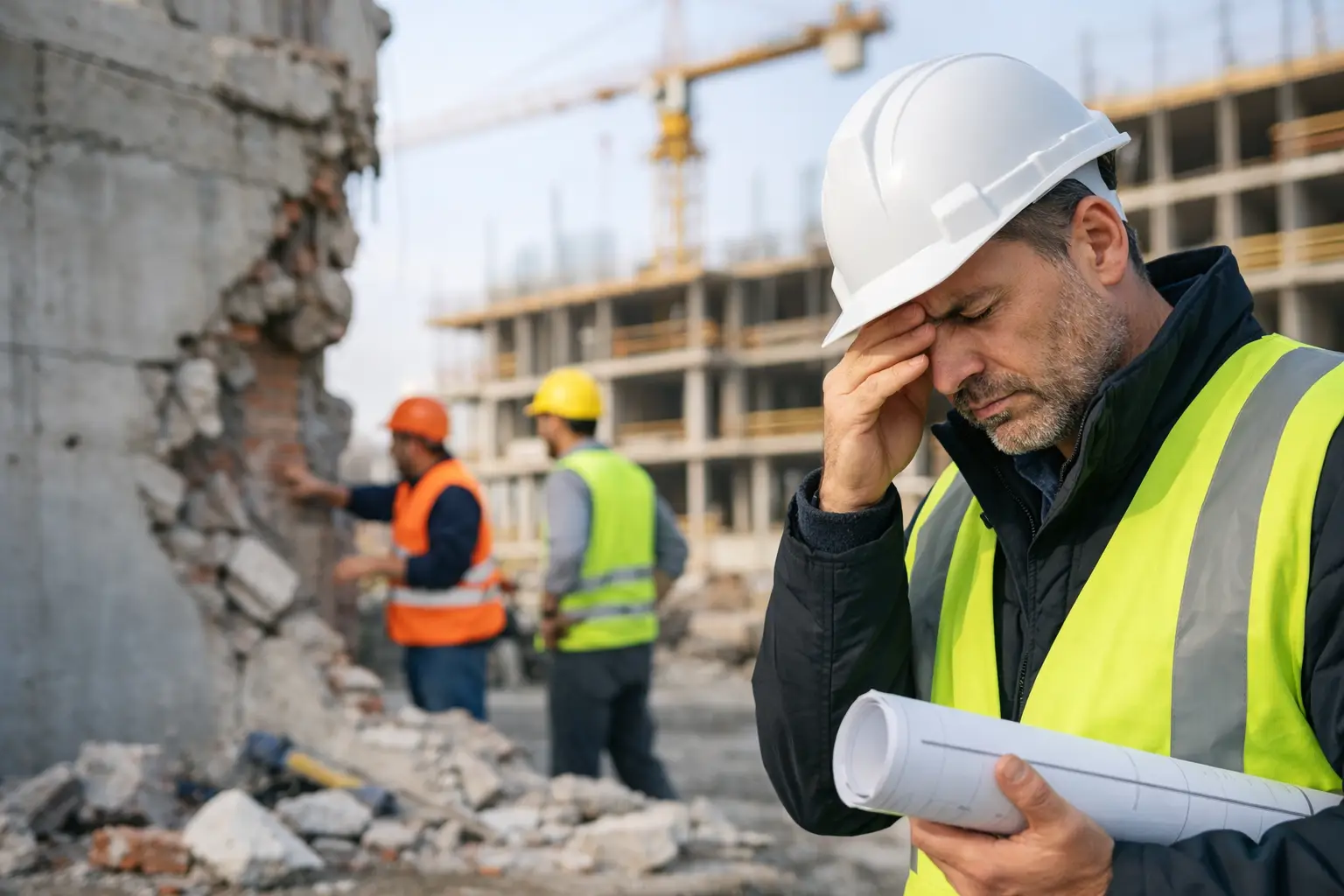
Construction supervision creates control at the point of execution. It helps catch problems before they become demolition, rework, or delayed approvals. For fit-out projects, this can mean preventing conflicts between HVAC ducting, lighting layouts, and fire fighting systems. For larger developments, it can mean verifying that structural and architectural work remains aligned with approved documentation and sequencing requirements.
There is also a compliance dimension that owners should not underestimate. In regulated construction environments, approved drawings are not a rough guide. They are part of the basis for legal and technical acceptance. If site conditions force changes, those changes need to be reviewed properly. Supervision helps ensure that decisions made on site do not create downstream approval or handover problems.
Core Responsibilities of a Construction Supervisor
A professional construction supervision role is centered on control, coordination, and documentation.
The first responsibility is quality assurance. The supervisor checks whether construction work matches the design and specification. That includes dimensions, material use, installation standards, finishing quality, and technical integration between disciplines.
The second is compliance monitoring. This means confirming that the project remains aligned with approved plans, code requirements, and authority conditions. In Qatar, this is particularly important where approval pathways and fire life safety expectations can materially affect delivery.
The third is progress oversight. Construction supervision does not replace the contractor’s responsibility to execute, but it does create visibility. The client gains a clearer picture of whether the work is advancing as planned, where delays are forming, and which decisions are needed to keep the project moving.
The fourth is issue resolution. Site work always produces questions – missing details, field conflicts, unforeseen conditions, or sequencing problems. A supervision team helps channel those issues into formal review so that solutions are technically sound and properly documented.
The fifth is record keeping. Site reports, inspection notes, snagging records, correspondence, and non-conformance tracking all matter. Good documentation protects the client and improves accountability across the project team.
Construction Supervision vs Project Management
These two functions are often confused, especially by clients who want one point of control.
Project management is broader. It typically covers planning, procurement coordination, budget tracking, stakeholder communication, scheduling, and overall delivery strategy. Construction supervision is more technical and site-focused. It concentrates on whether the physical work is being executed correctly and compliantly.
On some projects, the same consultancy supports both functions. That can improve coordination because technical review and delivery control are not fragmented. Still, they are not the same service. If a client only appoints project management without proper technical supervision, quality and compliance risks can remain exposed. If a client only appoints supervision without active delivery management, decision-making and schedule control can suffer.
The right structure depends on project scale, internal client capability, and contractual setup.
What Good Construction Supervision Looks Like
Good supervision is disciplined, consistent, and technically integrated. It is not reactive site policing. It is structured oversight that supports delivery while protecting standards.
A strong supervision process usually starts before site work accelerates. The supervising consultant should already understand the approved design package, permit conditions, specifications, and project milestones. That preparation matters because site decisions are only as good as the technical baseline behind them.
During construction, supervision should be regular enough to reflect project risk. High-complexity or fast-track projects need tighter monitoring than simple low-risk works. The supervisor should issue clear reports, identify deviations early, and communicate actions without ambiguity.
Just as important, supervision must be multidisciplinary. Architectural, civil, electrical, mechanical, plumbing, and fire life safety elements affect each other constantly. If those interfaces are not reviewed together, defects often remain hidden until testing, authority inspection, or final finishing.
Common Problems Construction Supervision Helps Prevent
Many of the most expensive construction problems are not dramatic failures. They are coordination failures.
One common issue is building from outdated drawings. Another is substitution of materials without proper review. A third is poor trade sequencing, where one contractor closes work before another has completed required installations. Then there are authority-related risks, such as executing details that differ from approved submissions or overlooking conditions linked to fire and safety compliance.
Without supervision, these issues may only become visible when the client sees poor finishes, when testing fails, or when handover is delayed. By then, the project has already absorbed time and cost.
This is why many experienced owners treat construction supervision as a control system, not an optional extra. The service does not eliminate all site issues, but it sharply improves the project’s ability to identify, document, and correct them early.
Why Local Regulatory Knowledge Changes the Outcome
If a project is being delivered in Qatar, construction supervision is not only about workmanship. It is also about regulatory alignment.
Execution decisions can affect authority acceptance, especially where fire safety systems, occupancy requirements, MEP coordination, and approved layouts are involved. A supervision team with local regulatory familiarity is better positioned to spot risks before they become approval setbacks.
That matters for developers, retail operators, hospitality brands, and private owners alike. Delays in compliance review can affect opening dates, tenant handover, revenue timelines, and contractor claims. Supervision backed by engineering coordination and authority awareness gives the client better control over those outcomes.
This is one reason firms such as Desentral Engineering Qatar position construction supervision as part of a broader delivery model rather than a stand-alone site visit service. When design, approvals, and execution support are connected, issues can be resolved faster and with less fragmentation.
When Clients Should Prioritize It
Not every project needs the same level of supervision, but some clearly require it.
If the project involves multiple trades, strict authority conditions, high-value interiors, commercial fit-out, hospitality operations, or a fixed opening deadline, the case for professional supervision is strong. The same applies when the client does not have an internal technical team capable of reviewing site quality and compliance independently.
Even on smaller projects, limited supervision at key milestones can be valuable. Foundation work, MEP rough-ins, fire and life safety installation, ceiling closure, finishes, testing, and snagging are all points where oversight can prevent disproportionate rework.
The question is not whether issues will arise on site. They will. The real question is whether the client has a disciplined mechanism to control them.
Construction supervision gives that control practical form. It turns approved design into monitored execution, and monitored execution into a better chance of finishing with fewer surprises, fewer disputes, and fewer compliance problems. For any owner making decisions under deadline, budget pressure, and regulatory scrutiny, that is not a procedural detail. It is part of how successful projects get delivered.
A good project team does not wait until defects appear to start paying attention. It puts the right supervision in place early, while corrections are still manageable and project momentum can still be protected.