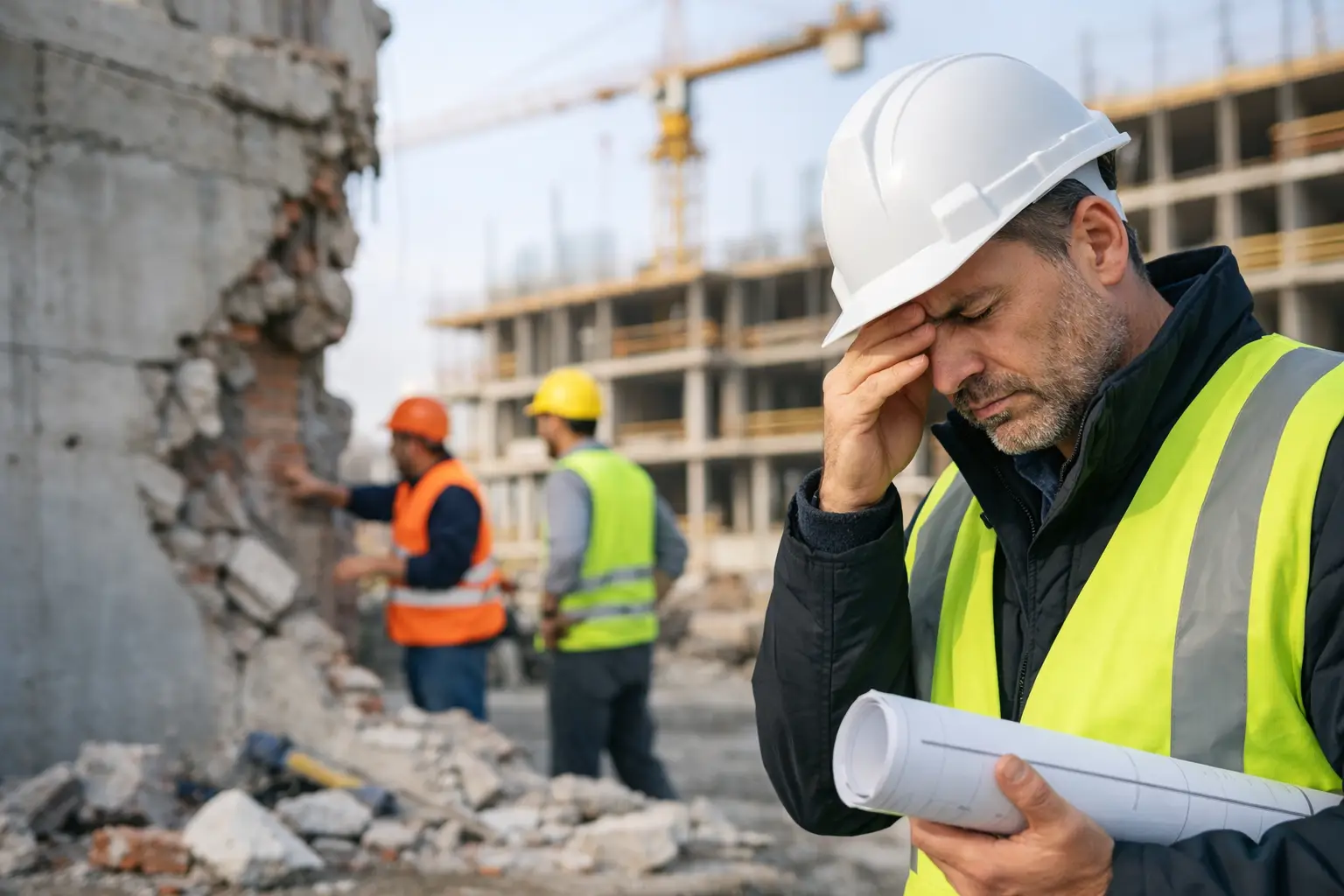
A project rarely goes off track because of one dramatic mistake. More often, it slips through small decisions made under pressure on site – an unapproved material substitution, incomplete MEP coordination, poor sequencing, or work covered before inspection. By the time those issues appear in testing, snagging, or authority review, the cost is no longer minor.
That is where construction supervision and quality control stop being administrative functions and start becoming project protection. For developers, investors, commercial operators, and owners, the value is direct: fewer delays, better compliance, tighter cost control, and a finished asset that performs as designed.
What construction supervision and quality control actually do
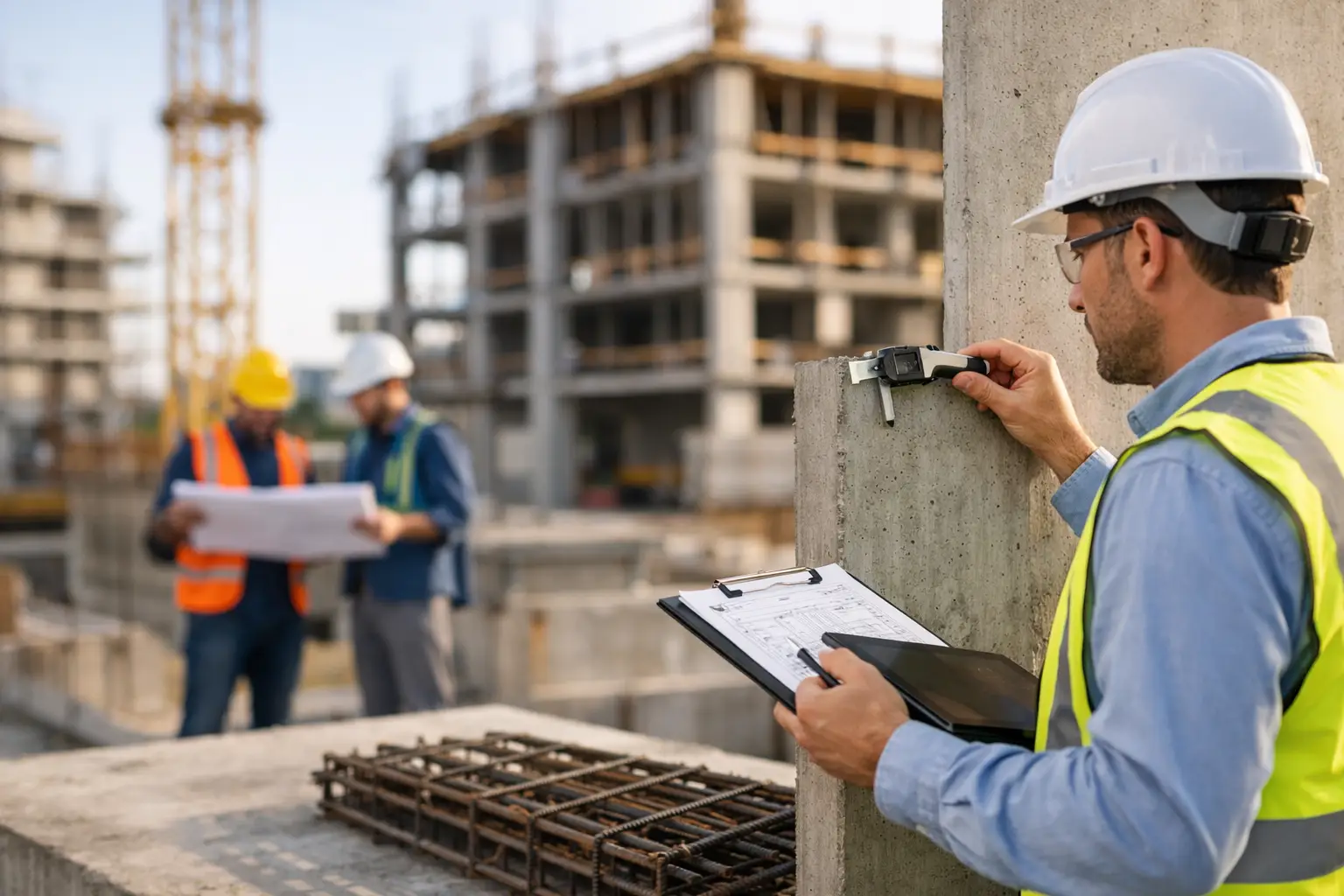
Construction supervision is the active oversight of site execution against approved drawings, specifications, contract requirements, and applicable codes. It is not limited to checking whether labor is present or whether progress looks acceptable. Effective supervision verifies that the work being installed is the work that was approved, coordinated, and intended.
Quality control works alongside that supervision. It focuses on inspection, testing, documentation, and corrective action to confirm that workmanship and materials meet the required standard. Supervision asks whether the project is being built correctly and in the right sequence. Quality control asks whether the finished work complies with the required level of performance.
These two functions are closely connected, but they are not identical. A site can appear organized and still produce noncompliant work. It can also pass isolated inspections while suffering from weak coordination that creates downstream clashes. Projects perform best when supervision and quality control are managed together rather than treated as separate boxes to check.
Why weak supervision costs more than most owners expect
The most visible cost of poor site control is rework, but that is only the beginning. Rework affects labor, material waste, schedule disruption, and procurement timing. It also puts pressure on later trades, who may start work on incomplete or incorrect areas just to keep the program moving.
For commercial interiors, hospitality projects, and mixed-use developments, the effect can be even more severe because architecture, structure, and MEP systems must align in tight spaces. If supervision is weak during early installation, the project may face ceiling conflicts, access issues, poor equipment placement, or noncompliant fire and life safety details. Those problems are expensive to fix after finishes are complete.
There is also the regulatory side. In markets with strict authority review and inspection requirements, site mistakes are not only technical issues. They can become approval issues, handover issues, and operational issues. A project that looks finished but fails on compliance is not finished in any practical sense.
The site issues that quality control should catch early
Most quality failures are predictable. They tend to appear in recurring categories, especially when documentation, approvals, and execution are not tightly coordinated.
Material substitution is one of the most common examples. Contractors may propose alternatives for availability or cost reasons, and some substitutions are acceptable if reviewed properly. The problem starts when changes happen informally, without confirming technical equivalency, specification compliance, or authority acceptance.
Another frequent issue is installation before approval closure. Shop drawings may still carry comments, yet work proceeds to avoid delay. That creates a serious risk because later corrections can require dismantling completed elements. On MEP-heavy projects, this often affects duct routes, drainage slopes, electrical containment, and fire-stopping details.
Workmanship is another major variable. Even with approved materials and coordinated drawings, poor execution can undermine the result. Waterproofing, joint treatment, slab openings, insulation continuity, equipment anchoring, and final finishes all depend on disciplined inspection during installation, not after the fact.
Hidden works are especially sensitive. Once concrete is poured, walls are closed, or ceilings are installed, verification becomes harder and correction becomes costlier. That is why hold points, inspection requests, and documented sign-offs matter. They create control before work becomes inaccessible.
What effective construction supervision and quality control look like in practice
Strong site oversight is structured, not reactive. It starts before physical work begins, with a review of permit drawings, contract documents, specifications, approved materials, shop drawings, method statements, and inspection test plans. If these inputs are not aligned, site execution will not be aligned either.
During construction, the supervision team should monitor progress against approved scope, sequence, and quality requirements. That includes regular inspections, progress verification, coordination with contractors and subcontractors, review of site queries, and prompt reporting of nonconformities. Good supervision is not passive observation. It requires decisions, follow-up, and accountability.
Quality control adds a disciplined layer of evidence. Inspection records, material approvals, mock-up reviews, testing reports, snagging logs, and closeout documentation all support traceability. This documentation matters for more than compliance. It gives owners and project managers visibility into whether quality is actually being achieved or simply assumed.
The reporting format also matters. Decision-makers do not need vague updates that say progress is ongoing. They need clear reporting on completed work, open quality issues, pending approvals, corrective actions, and risks to schedule or compliance. When reporting is precise, problems can be addressed while options still exist.
Why coordination matters as much as inspection
Many site defects are coordination failures before they are workmanship failures. A wall opening in the wrong location, insufficient ceiling clearance, or inaccessible valve placement often comes from a design interface issue that was not resolved in time. No amount of final inspection can fully recover from poor coordination embedded in the work.
This is one reason integrated consultancy support creates value. When the same technical team understands the design basis, authority conditions, and site constraints, supervision becomes more effective. Problems are identified earlier, and responses are faster because the chain between drawing intent and field execution is shorter.
In regulated environments such as Qatar, this coordination has an additional layer. Construction must not only match the design intent but also remain aligned with authority requirements, including Civil Defense and other approval conditions. A technically workable solution on site may still fail if it conflicts with approved compliance parameters.
The trade-off between speed and control
Project teams often feel pressure to choose between moving fast and controlling quality. In reality, weak control rarely creates true speed. It creates apparent speed early, followed by inspection failures, change orders, retesting, and delayed handover later.
That said, there is a practical balance to manage. Excessive bureaucracy can slow site activity if every minor issue waits too long for review. Effective supervision does not mean creating friction at every step. It means defining approval routes, inspection hold points, and escalation paths clearly enough that the project can keep moving without losing control.
This is where experienced construction supervision and quality control make a measurable difference. The goal is not to overmanage the site. It is to focus attention where errors have the highest impact – structural interfaces, life safety systems, concealed MEP works, waterproofing, finishes with long lead times, and any item tied to authority inspection or operational performance.
What owners should expect from their consultant
Owners should expect more than attendance. A supervision consultant should provide technical judgment, clear reporting, and direct follow-through on quality issues. If the same defects appear repeatedly, that is not a documentation problem. It is a control problem.
They should also expect early warnings. When material approvals are lagging, when contractor coordination is weak, or when site execution is moving ahead of reviewed drawings, those risks should be flagged immediately. Waiting until the monthly report is too late.
Most importantly, owners should expect alignment between design, compliance, and execution. That is where single-source technical coordination can reduce risk significantly. Firms such as Desentral Engineering Qatar support this by linking engineering design, authority approval requirements, and site supervision into one controlled delivery path rather than leaving those responsibilities fragmented.
Quality at handover starts months earlier
A clean handover is not created during final snagging. It is created through hundreds of smaller controls applied throughout the project. If supervision is consistent and quality control is documented, handover becomes a verification stage. If not, handover becomes a recovery exercise.
For project owners, that difference affects more than construction cost. It affects opening dates, tenant fit-out readiness, operational reliability, and long-term asset performance. The earlier quality is controlled, the less expensive it is to protect.
The useful question is not whether a project needs oversight on site. It is whether that oversight is strong enough to prevent small failures from becoming expensive ones.